
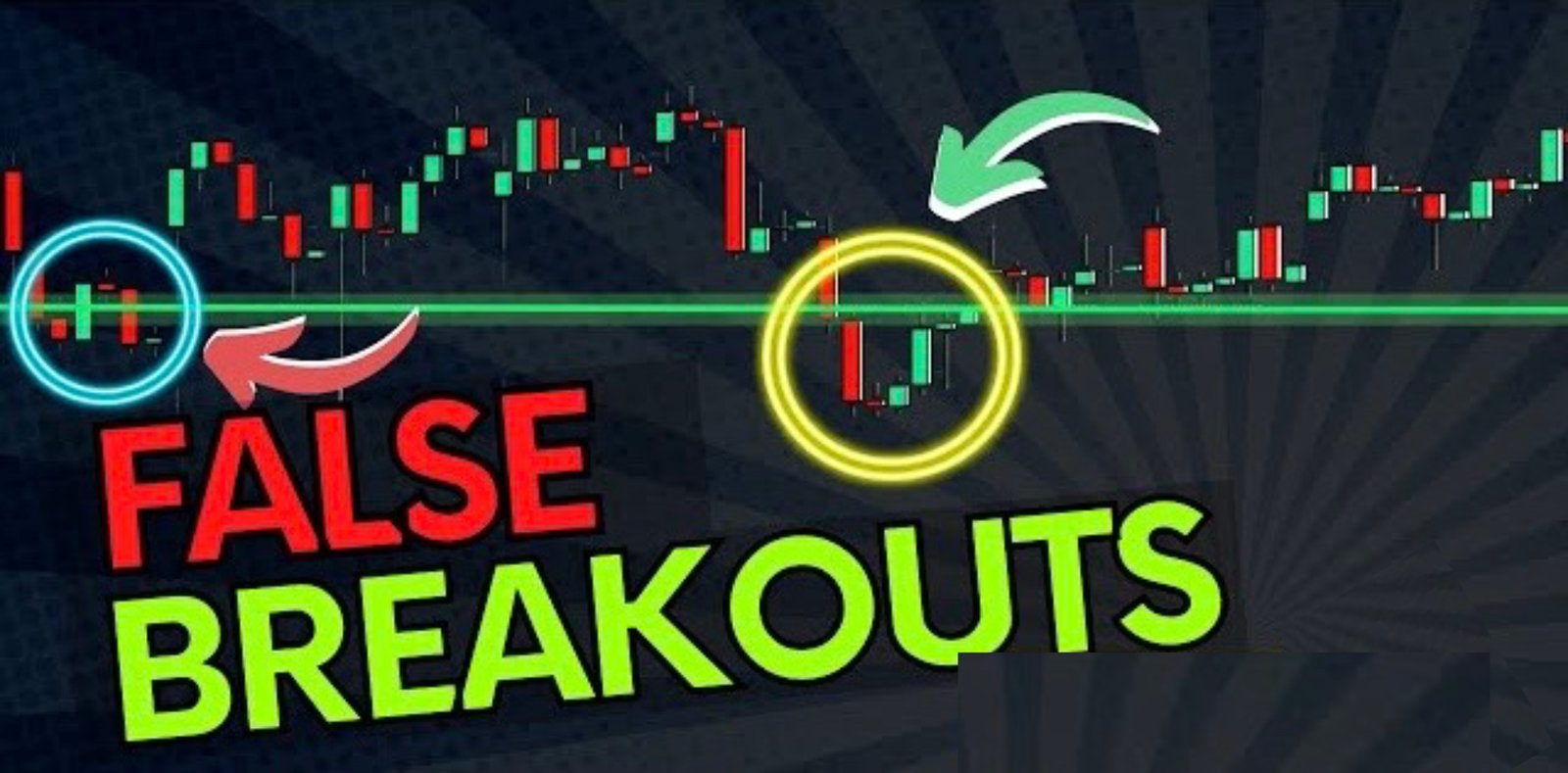
In forex trading, one of the most challenging scenarios traders encounter is the false breakout. This phenomenon can trap even seasoned traders, leading to losses and frustration.
However, understanding how to identify and trade false breakouts can turn this challenge into an opportunity. At Giant Pips Forex Academy, we’re here to equip you with the knowledge and tools to master this skill.
What is a False Breakout?
A false breakout occurs when the price moves beyond a key support or resistance level, suggesting a trend continuation or reversal, only to reverse direction and return within the original range. False breakouts often confuse traders who mistake them for genuine trend signals.
Why Do False Breakouts Happen?
False breakouts can occur due to several factors, including:
- Market Manipulation: Large players, such as institutional traders, might push prices beyond key levels to trigger stop-loss orders and gather liquidity.
- Low Volume: Breakouts with insufficient trading volume are less likely to sustain their momentum, increasing the probability of a reversal.
- Emotional Trading: Retail traders often jump into trades prematurely, contributing to false breakouts.
Discover Giant Hunter AI

How to Identify False Breakouts
Recognizing false breakouts is crucial for minimizing losses and capitalizing on market opportunities. Here are some key techniques:
1. Analyze Volume
A genuine breakout is usually accompanied by high trading volume. If the breakout occurs on low volume, it’s likely to be false.
2. Wait for Confirmation
Avoid entering a trade immediately after a breakout. Wait for the price to close above resistance or below support levels and observe if it sustains the move.
3. Use Multiple Timeframes
Cross-check the breakout on different timeframes. A breakout on a shorter timeframe might not hold on higher timeframes, signaling a potential false breakout.
4. Pay Attention to Candlestick Patterns
Reversal patterns, such as pin bars or engulfing candles, near support or resistance levels can indicate a false breakout.
Strategies for Trading False Breakouts
Once you’ve identified a false breakout, consider these trading strategies:
1. Trade the Reversal
After confirming a false breakout, enter a trade in the opposite direction. For example:
- In an upward false breakout, short the market when the price returns below the resistance level.
- In a downward false breakout, go long when the price moves back above the support level.
2. Set Tight Stop-Loss Orders
Place stop-loss orders just outside the false breakout zone to limit potential losses in case the market reverses again.
3. Look for Retests
A false breakout is often followed by a retest of the key level. Use this retest as a confirmation before entering the trade.
4. Incorporate Indicators
Indicators like Bollinger Bands, RSI, or Moving Averages can help confirm false breakouts. For instance, if RSI indicates overbought or oversold conditions, it might signal a reversal.
Tips to Avoid False Breakout Traps
- Stay Patient: Wait for clear confirmation before entering trades.
- Avoid Overtrading: Don’t chase every breakout; focus on high-probability setups.
- Use Proper Risk Management: Ensure your position sizes and stop-loss levels align with your risk tolerance.
- Learn from Experience: Analyze your past trades to identify patterns in false breakouts and improve your approach.
Final Thoughts
False breakouts are a common occurrence in forex trading, but they don’t have to be detrimental to your strategy. By learning to identify and trade them effectively, you can turn these situations into profitable opportunities. At Giant Pips Forex Academy, we’re dedicated to helping you enhance your trading skills and build confidence in your decision-making.
Stay tuned for more insights and strategies to elevate your trading journey. Remember, success in forex trading comes from knowledge, discipline, and continuous learning.
Happy Trading!
Giant Pips Forex Academy: Empowering traders with free knowledge, insights, and tools for success in the forex market.
Discover Giant Hunter AI